Blog
Sustainable Elegance: How Green Architecture Shapes the Homes of Tomorrow

Sustainability Was Never About Trends
Before sustainability was a buzzword, skilled architects already used its principles. They did this not to follow trends, but because it made sense. Homes that ignored light, wind, and orientation were hard to live in and costly to maintain. This understanding came from real-world experience, not just theory.
Today, expectations have shifted. People now expect a well-designed home to also work well. Efficiency, comfort, and durability are seen as essentials, not extras. These qualities now define what makes a home high quality.
Orientation Comes Before Everything Else
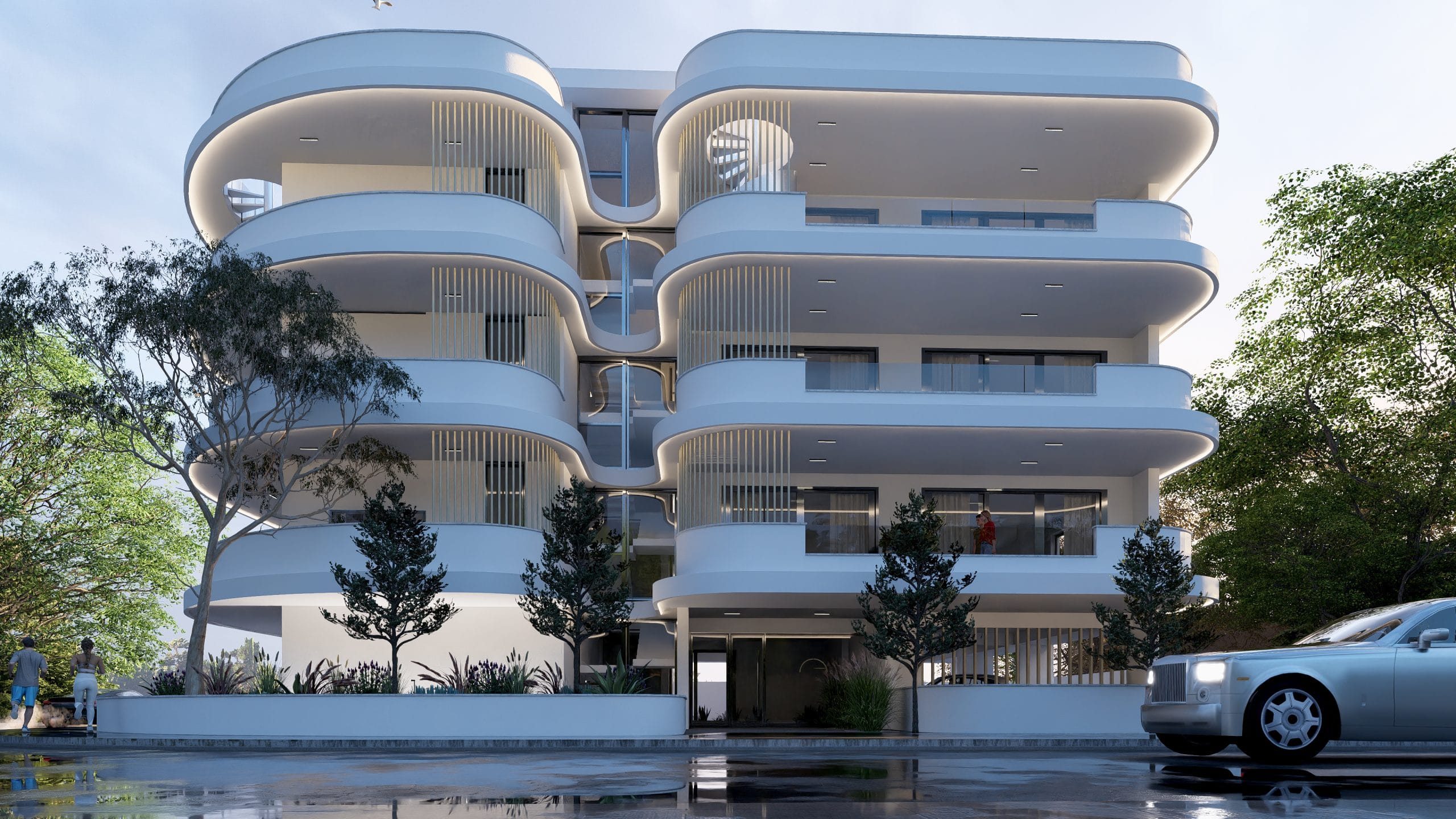
One of the most important choices for sustainability is also the hardest to notice: orientation. The way a building is placed on its site affects nearly every other decision that comes after.
A thoughtfully positioned home can stay cooler in summer, let in warmth during colder months, and reduce the need for constant heating or cooling. This relies on good judgment, not just technology. When orientation is right, other sustainable choices become easier and work better.
Natural Light Is About Balance, Not Brightness
People often talk about daylight as a way to save energy, but its real benefit is how it makes us feel. Rooms with well-placed natural light feel calmer and more inviting. As the light changes during the day, it gently shapes our mood and daily routine.
Good daylight isn’t just about having big windows everywhere. It’s about where and how light comes in, and how it’s managed. If sunlight is too harsh, it can make a room uncomfortable. But when it’s filtered and directed well, it quietly makes life better.
Shading Is an Architectural Skill
A common mistake in green design is thinking that sunlight should be blocked out. In reality, the best homes don’t block sunlight—they manage it carefully.
Features like pergolas, recesses, and well-designed outdoor spaces help soften sunlight before it enters the home. This makes rooms feel sheltered instead of exposed. Over time, this approach lowers heat stress on the building and helps materials last longer. It also helps indoor and outdoor areas work together, not against each other.
Ventilation Shapes How a Home Feels
Airflow isn’t often mentioned in brochures, but it’s key to comfort. Homes with natural ventilation feel fresher and lighter. They cool down faster after heat and stay comfortable without always needing air conditioning.
When cross ventilation is well designed, it becomes a defining feature of the home. It lets rooms adapt to the weather instead of fighting it. This kind of flexibility is a subtle sign of thoughtful architecture.
Materials That Improve With Time
Sustainable homes use materials picked for their durability, not just because they’re new or trendy. Things like insulation, façade systems, roof protection, and quality windows do their job quietly behind the scenes.
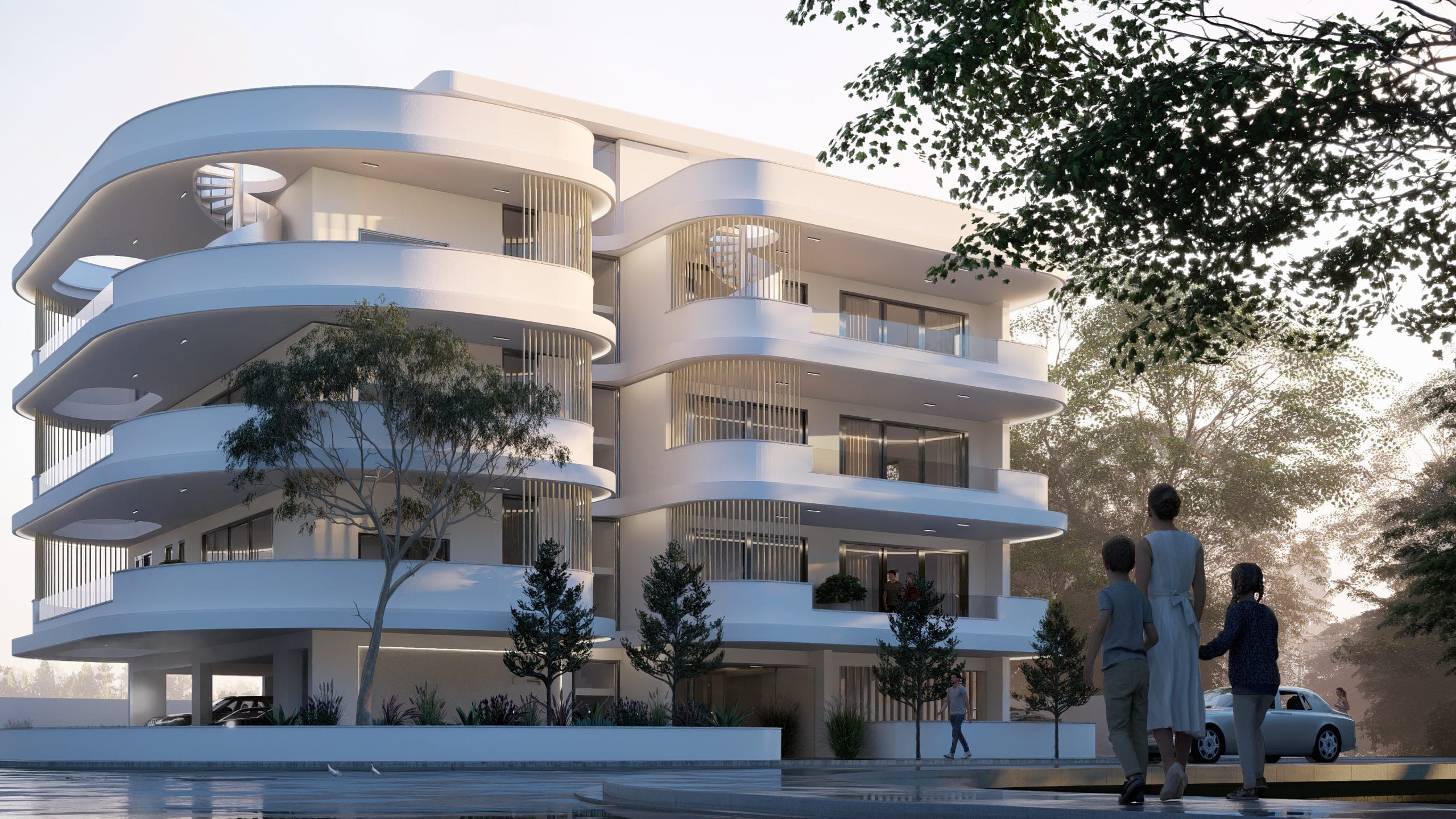
You might not notice these features, but they shape how a home ages. Materials that protect the building help cut down on maintenance, keep indoor conditions steady, and hold their value. In the long run, this careful approach is a real benefit, not a drawback. This long-term approach to materials and performance is often seen in developers who treat homes as enduring assets rather than short-term products, a philosophy reflected in projects such as those found at foliahomes.com.
Technology Should Support, Not Rescue
Renewable energy systems and efficient equipment can really add value, but only if the basic design of the home is solid. Technology should make things better, not fix mistakes in the design.
The best sustainable homes don’t feel complicated. They feel complete and well thought out. Their strength comes from everything working together, not from having too much.
What Sustainable Elegance Really Means
Homes of the future won’t need to show off their sustainability. They’ll just be easier to live in—more comfortable, more stable, and less work to maintain.
That’s what sustainable elegance means. It’s not just a feature, but a mindset that keeps giving benefits long after the home is built.