Blog
Hot Water System Efficiency and Long-Term Performance

Hot water systems perform far more functions inside a home than most people realize. Showers, washing machines, dishwashers, and sinks all require a consistent source of reliable heat. When water heaters struggle, their troubles manifest as slow recovery times, inconsistent water temperatures, higher utility bills, or early component failures. Homeowners who understand how water heating systems work, what influences their performance, and how they age can make informed decisions to find the best setup and avoid costly repairs.
Tank and tankless systems are the two most common choices for household water heating. Both systems use burners or electrical elements to heat water. The two systems differ in how and when they heat that water. A tank system stores a large reservoir of water and keeps it at a hot temperature 24/7. A tankless system provides no storage and heats the water as it is needed. That distinction reduces a tankless system’s standby losses. The best choice between tank and tankless water heaters depends on a household’s usage patterns, plumbing configuration, and overall cost instead of advertising claims.
Traditional tank systems are available as gas or electric powered. Gas powered water tanks heat more quickly and recover from heat loss faster. However, they vent exhaust and require adequate airflow for safe operation. Electric water heaters are simpler and highly reliable, but they have slower recovery rates. The tank itself is insulated to reduce heat loss over time. Because heat loss is inevitable, the burner or heating element must regularly cycle to maintain the tank temperature. These on/off cycles cause wear over time. Sediment accumulation at the tank bottom also contributes to tank inefficiency. Minerals left in the water form a layer of insulation between the burner and the stored water. As that layer thickens, the system requires more energy to heat an identical amount of water. The heater cycles more frequently and wears out sooner.
Tankless water heaters use powerful burners or electric elements to heat water on demand. These systems do not store any heated water and thus avoid most standby losses. Their efficiency instead depends on how much they need to raise incoming water temperature and how much cold water flows into the system. A tankless heater needs to work much harder when cold groundwater enters a home. It must also keep pace with demand when multiple fixtures call for hot water simultaneously. If the tankless heater is undersized, it may deliver fluctuating or absent hot water. Proper sizing is critical and often requires more than one unit or a hybrid setup in many homes. If you are thinking of a new system, best if you speak to a reputable plumbers like the Mister Plumber team.
Hybrid water heaters mix storage capacity with heat pump technology or supplemental tankless boosters. Heat pump water heaters absorb heat from surrounding air and transfer it to the water inside the tank. They use far less electricity than standard tank systems, but their primary drawback is that they work best in warm spaces. They also need ample space for airflow, which limits placement options. In a small or cold basement, heat pump performance degrades significantly. However, when installed in the right environment, their efficiency is excellent.
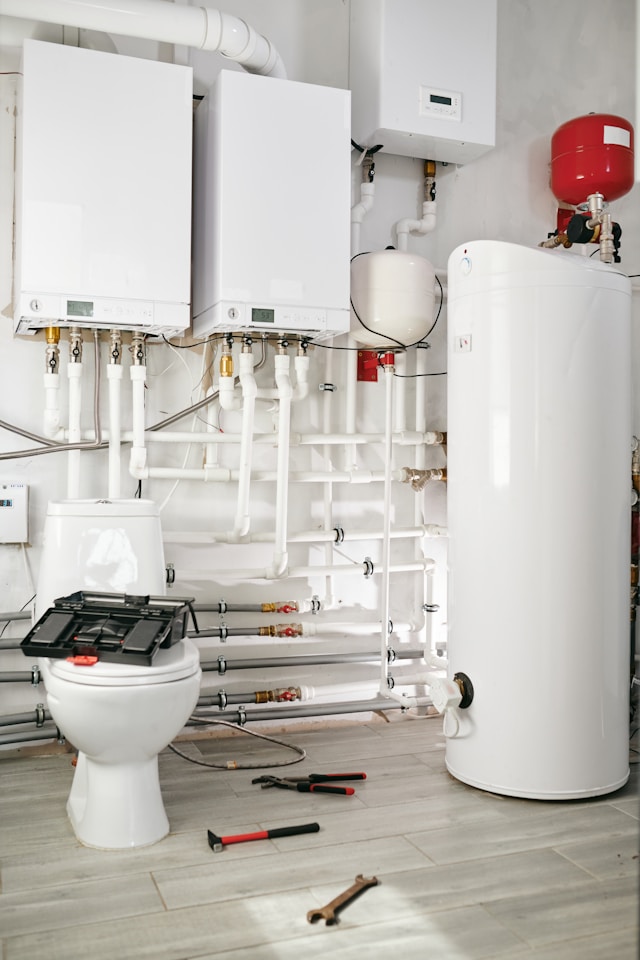
Water chemistry significantly affects water heater performance regardless of the type of system. Hard water contains minerals that leave behind deposits inside tanks, heat exchangers, and pipes. These deposits lower efficiency and increase energy consumption. In tankless units, scale forms on the heat exchanger and limits flow. This often causes error codes to display or creates inconsistent heating. Flushing the system helps remove these deposits, but homes with very hard water often need a softener to protect the unit. Without one, both tank and tankless heaters fail prematurely.
Tank systems also contain anodes rods, which help protect them from corrosion. These rods attract minerals and corrosive compounds that would otherwise attack the tank lining itself. As the rod dissolves, it must be replaced. Many homeowners are unaware of this maintenance step. When the rod is entirely gone, the tank will begin to rust. That rust weakens the tank liner and eventually leads to leaks. Checking the anode rod every few years can significantly extend the tank’s life.
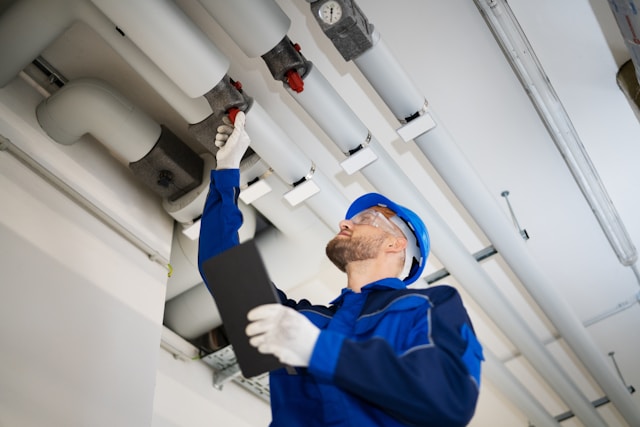
Insulation also affects water heater efficiency. Tanks lose heat through their walls and the hot water pipes that exit the tank. Adding pipe insulation cuts that loss, particularly on long runs where water cools before reaching the fixture. It also improves comfort and reduces the total amount of hot water a family uses. Insulation also helps tankless systems by keeping steady heat on the way to the faucet and reducing burner cycles.
Temperature settings also play a role in both energy use and safety. Most heaters arrive from the factory with higher temperature settings than needed. Reducing the temperature lowers energy use and slows mineral buildup. However, it must remain high enough to prevent bacterial growth inside the tank. The safe middle range maintains lower energy costs and protects the water heater while still delivering comfortable water.
Hot water circulation loops improve comfort by shortening wait time at faraway fixtures. They keep the hot water moving through the system. This cuts waste because people no longer run faucets waiting for warm water. These loops work best when used with timers, sensors, or smart controls. Without these, the pump will run continuously and increase energy bills. Tanks also experience more heat loss if their water circulates nonstop.
Venting is another important consideration. Gas heaters need proper venting to safely remove exhaust. Atmospherically vented models rely on natural draft, but if venting is poorly designed or blocked, exhaust gases may backdraft. Power vent and direct vent systems use fans or sealed combustion chambers to increase safety and efficiency. Correct installation is vital for these systems, as a small mistake can cause noise issues, condensation problems, or combustion difficulties.
Expansion tanks protect hot water systems from pressure changes as water heats and cools. When water heats up, its volume expands. In a closed plumbing system, that expansion pushes back against valves and fittings. The extra pressure stresses the heater and lines leading from it. Expansion tanks absorb the excess volume and keep pressure stable. Without one, heaters often leak around fittings or relief valves discharge frequently. An expansion tank is a small investment that prevents long-term damage.
Appliance compatibility is another factor to consider. Washing machines and dishwashers rely on stable hot water to clean clothes and dishes effectively. A poorly performing water heater reduces their cleaning efficiency and causes them to work harder. Tankless units may struggle to provide a steady flow for some cycles. Tanks may run out of hot water during periods of high demand. Matching system capacity to the household’s usage guarantees that hot water is always available.
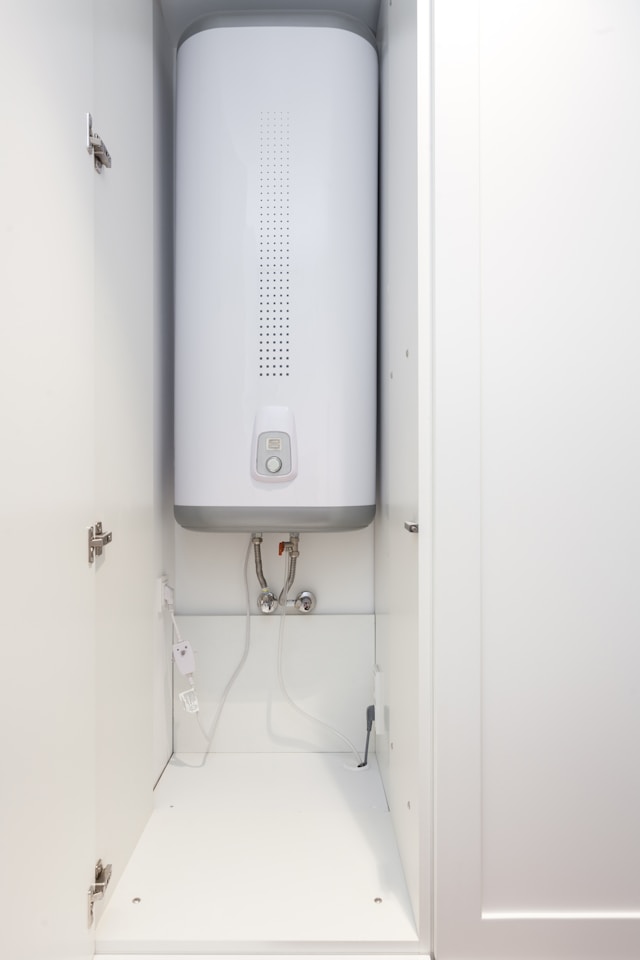
Energy efficiency ratings help consumers, but real world performance depends on installation quality. A high efficiency system can waste energy if an installer uses undersized pipes, poor venting, or the wrong settings. Water heaters must be matched to the local climate, household demand, and plumbing configuration. Builders and installers sometimes focus on equipment cost rather than long-term performance, which increases operating costs for homeowners.
Regular maintenance has the largest impact on a water heater’s lifespan. Flushing the tank removes sediment. Checking valves ensures stable water pressure. Inspecting the anode rod helps keep corrosion in check. Clearing intake screens on tankless systems restores proper flow. Simple maintenance steps keep the system running efficiently and prevent costly replacements down the road. Homeowners who neglect these steps often experience water heater failures at inconvenient times.
Hot water systems touch nearly every aspect of daily life. They affect comfort, energy consumption, appliance performance, and even plumbing stability. Making an informed choice about which water heating system to install involves understanding how each type operates and how local conditions impact its long-term reliability. With a well sized system, proper installation, and regular maintenance, a homeowner can count on steady, efficient hot water for many years.