

Living
Kristina Washer’s Legacy: A Life of Conservation, Compassion, and Courage

At just 30 years old, Kristina Comley Washer left behind a legacy that most people would spend a lifetime building. A field biologist, conservationist, and environmental justice advocate, Kristina passed away on June 9, 2025 after a brave battle with Acute Myeloid Leukemia. Her legacy lives on in every bird species she helped save, every student she inspired, and every habitat she fought to restore.
Kristina wasn’t content to sit on the sidelines. From the beginning of her career, she dove into fieldwork-fieldwork in its most literal sense. Kristina traveled to the Galápagos Islands as a Fulbright Fellow, studying Darwin’s finches and training international volunteers in field research and nest monitoring. Her research was instrumental in long-term conservation, and her leadership was the kind of thoughtful, collaborative science the planet needs more of.
Kristina worked with conservationists in Mauritius to study the environmental effects of the dodo’s extinction, and helped to restore island ecosystems and protect vulnerable bird species. She understood that change starts at home-and that every species matters.
Kristina also worked in her home region. At the New England Wildlife Center and Bald Head Island Conservancy, she worked on avian health and habitat monitoring projects. At Emporia State University, she mentored field assistants and conducted nesting studies on grassland birds, bringing diligence and care to every observation. Whether it was teaching someone to identify a bird call or collecting data on population health, Kristina made everyone around her better.
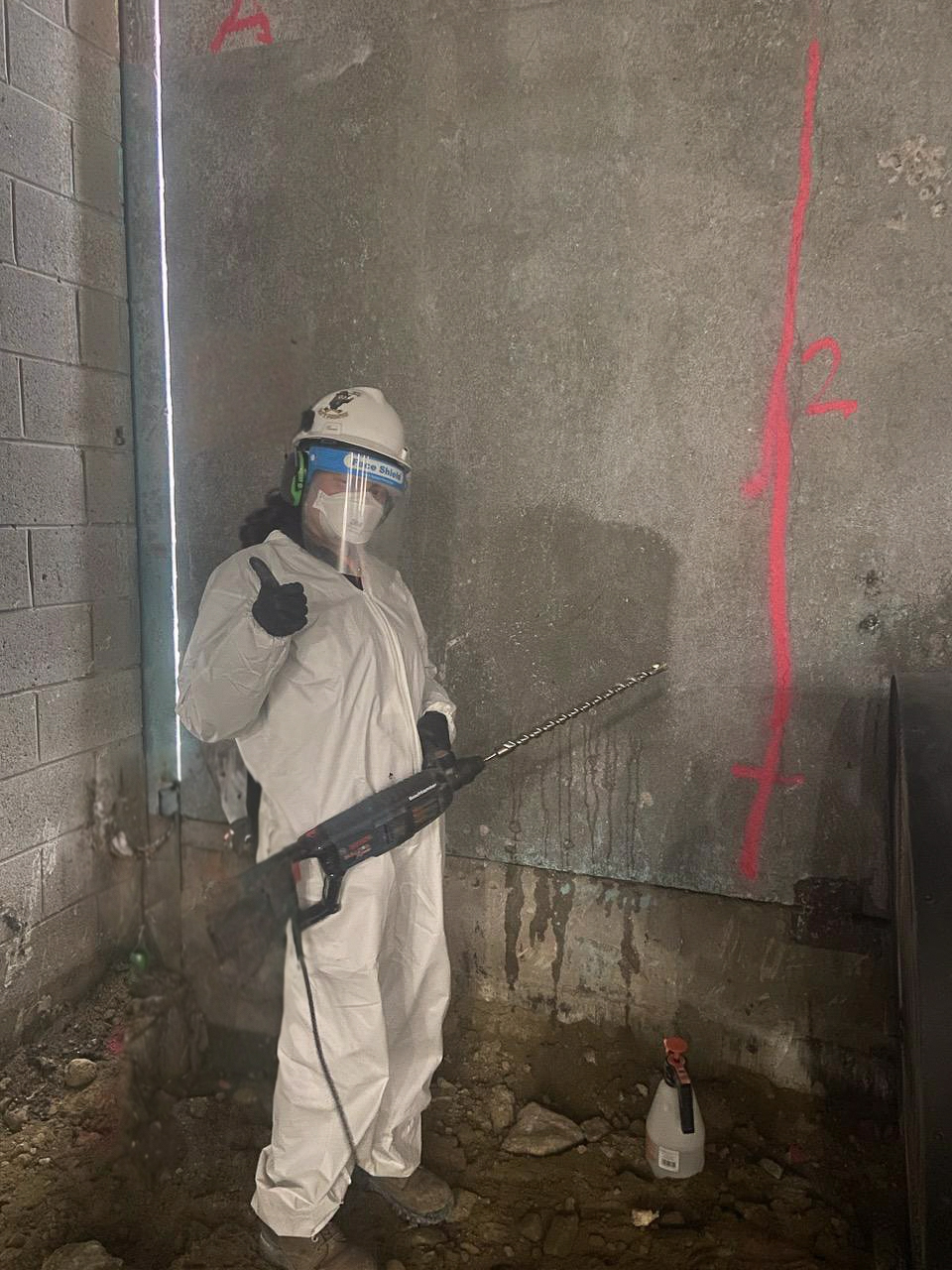
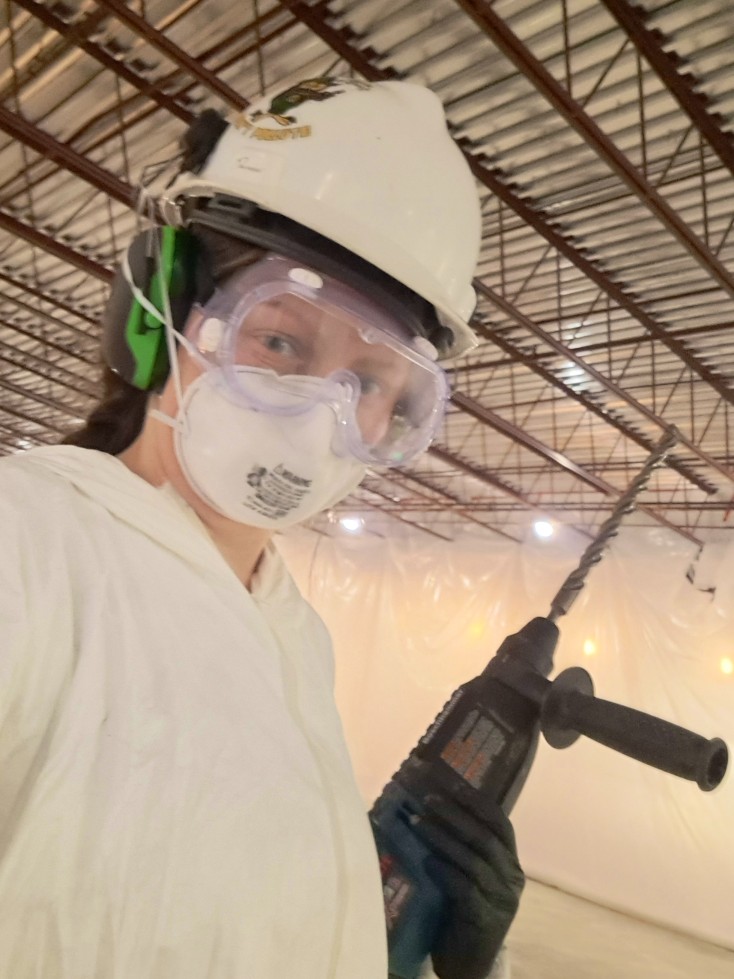
Kristina brought that same passion to her master’s degree in Civil and Environmental Engineering at Tufts University. She studied pollution, hazardous waste, and environmental risk management-bridging the gap between environmental health and human health. Her approach to environmental justice was based in both science and compassion.
Kristina believed in action. Getting muddy, tired, and sunburnt for the cause. She believed in listening-to scientists, to local communities, and to the land. And she believed in hope-based not in optimism, but in persistence.
For the organizations that work every day to protect biodiversity and promote sustainability, Kristina’s life reminds us why we do what we do. Her example pushes us to dig deeper, work harder, and keep going-even when the odds feel impossible.
We honor Kristina not just by remembering her-but by continuing her work. By fighting for the species on the brink, by educating others with patience and care, and by building a future where science and justice go hand in hand.
Let her life be a reminder: One person can make a difference. And Kristina Comley Washer certainly did.